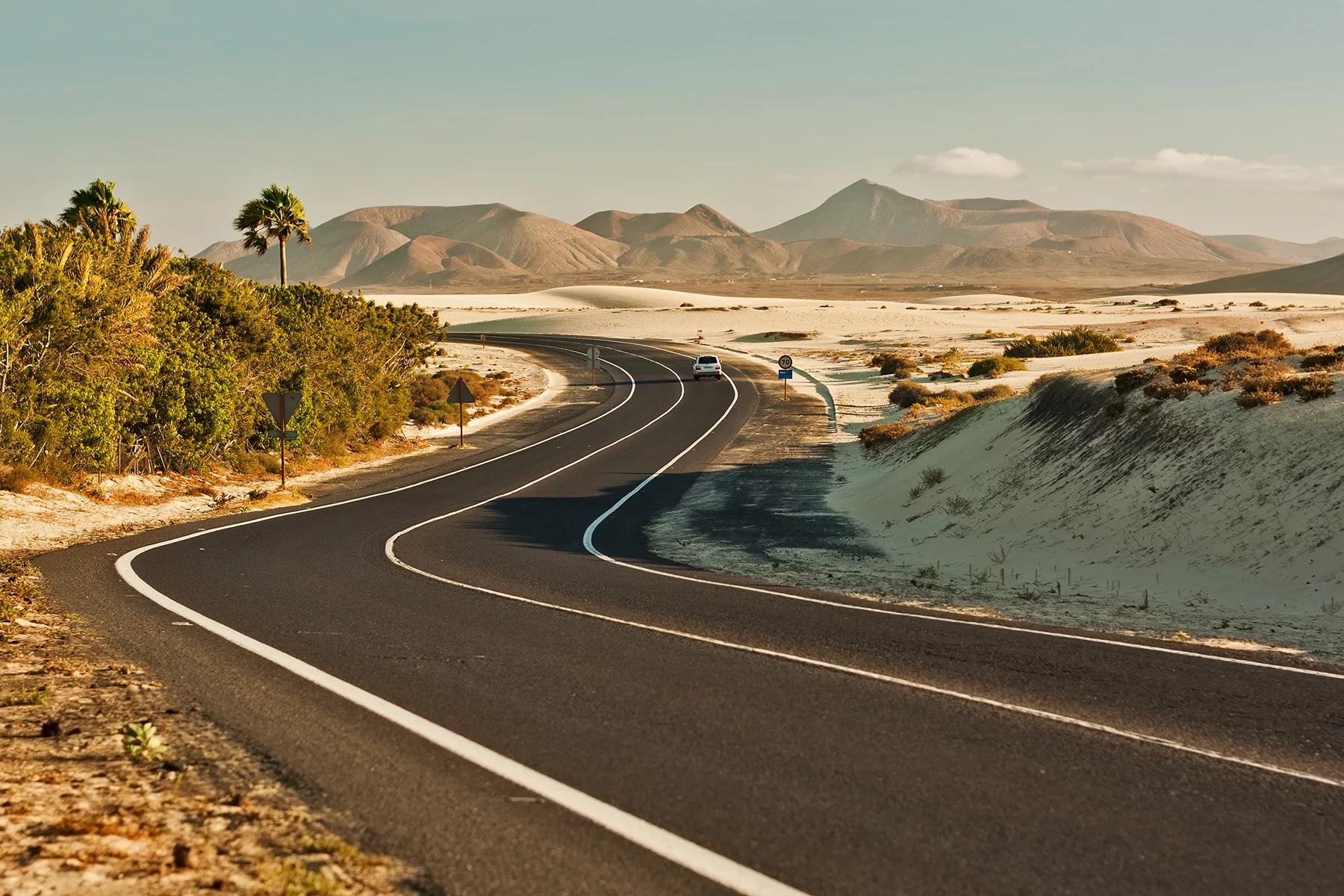
The Costa Blanca is one of Spain’s most popular coastal destinations, known for its Mediterranean beaches, historic towns, lively resorts and dramatic mountain landscapes. Stretching along the province of Alicante, the region offers far more than a traditional beach holiday. Renting a car gives travelers the freedom to explore the coastline at their own pace, discover quieter villages and reach scenic locations that can be difficult to access by public transport.
For visitors planning a road trip, the Costa Blanca combines relatively easy driving with an impressive variety of landscapes. You can begin the day beside the sea, stop for lunch in a historic town and finish the afternoon in the mountains overlooking the Mediterranean. Whether you are traveling as a couple, with family or with friends, having your own vehicle can make it easier to build a flexible itinerary.
Exploring Costa Blanca by Car
One of the best ways to experience the Costa Blanca is to travel between its coastal towns rather than staying in one resort. Alicante makes a convenient starting point, with its airport, historic center and attractions such as Santa Bárbara Castle. From there, travelers can follow the coast toward popular destinations including Benidorm, Altea, Calpe and Jávea.
The stretch between Alicante and Valencia is particularly well suited to a road trip, with coastal roads, beach towns and scenic viewpoints along the way. Travelers looking to turn the drive itself into part of the experience may choose a convertible, sports car or luxury SUV. Premium rental fleets can include anything from compact upscale models to exotic vehicles. Prices are considerably higher than for an economy car, but for some visitors the combination of comfort, performance and scenery is part of the attraction.
A road trip also allows travelers to make spontaneous stops. Instead of following a strict timetable, you can pull over at a coastal viewpoint, spend an extra hour at a beach or explore a small town that was not originally on the itinerary. This flexibility is one of the main advantages of driving along the Costa Blanca.
Alicante: A Natural Starting Point
Alicante is an excellent base for exploring the region. The city combines a long Mediterranean waterfront with a historic center, restaurants and cultural attractions. Santa Bárbara Castle is one of its most recognizable landmarks and offers expansive views over the city and coastline.
The Explanada de España is another popular place to visit, particularly in the evening when the waterfront becomes lively with pedestrians and outdoor dining. Alicante also provides convenient access to the wider region because Alicante–Elche Miguel Hernández Airport serves numerous European destinations.
Travelers collecting a rental car at or near the airport can then begin their journey immediately, heading north along the coast or inland toward the surrounding towns and mountains.
Benidorm and the Modern Costa Blanca
Benidorm is one of the Costa Blanca’s most recognizable destinations. Known for its skyline, beaches and extensive tourism infrastructure, it offers a very different atmosphere from the smaller coastal communities nearby.
The city is particularly popular with travelers looking for a combination of beaches, restaurants, nightlife and entertainment. Levante Beach and Poniente Beach provide two major stretches of sand, while the surrounding hills offer viewpoints over the coastline.
Having a car can be useful for visitors who want to stay outside the busiest parts of Benidorm while still visiting the city during the day. It also makes it easier to combine Benidorm with nearby attractions and towns.
Altea: A More Relaxed Coastal Stop
Just north of Benidorm, Altea provides a quieter alternative. The town is famous for its whitewashed buildings, narrow streets and hilltop old town. Its blue-domed church is one of the most recognizable sights in the area.
Altea is particularly enjoyable for travelers who prefer walking through historic streets, visiting independent shops and spending time at waterfront restaurants. Parking and narrow roads in the historic center mean that visitors should plan where to leave their car before exploring on foot.
The town is also a useful stop on a longer Costa Blanca itinerary because it sits close to other attractions along the northern coastline.
Calpe and the Peñón de Ifach
Continuing north, Calpe is dominated by the Peñón de Ifach, an enormous limestone formation rising dramatically from the Mediterranean. The landmark is part of a protected natural area and is one of the most striking sights along the Costa Blanca.
Calpe combines natural scenery with beaches, a marina and a busy restaurant scene. Visitors with a rental car can use the town as a base for exploring nearby coastal roads and mountain areas.
For travelers interested in photography, the combination of the sea, cliffs and surrounding landscape makes this part of the coast particularly rewarding. Early morning and late afternoon can offer softer light and cooler temperatures for exploring.
Jávea and the Northern Coast
Further north, Jávea—also known as Xàbia—offers a mixture of beaches, coves, historic streets and scenic viewpoints. The coastline around the town is particularly attractive to travelers who want to spend time outdoors.
The area includes sandy beaches as well as smaller rocky coves, giving visitors plenty of opportunities for swimming, snorkeling and relaxing beside the sea. Driving is useful here because some of the more secluded coastal locations are spread across the surrounding area.
The Montgó Natural Park is another highlight. The mountain rises between Jávea and Dénia and provides hiking opportunities and panoramic views for visitors willing to venture away from the coast.
Driving From the Coast Toward Valencia
Travelers with more time can extend their journey beyond the Costa Blanca and continue toward Valencia. The route provides an opportunity to experience changing scenery, from Mediterranean beaches and agricultural landscapes to larger urban areas.
Valencia itself is worth several days, with attractions ranging from the historic city center to the City of Arts and Sciences. The city also provides a convenient endpoint for travelers who prefer a one-way road trip rather than returning to Alicante.
Before choosing a one-way rental, however, travelers should check whether their rental provider permits a different return location and whether an additional one-way fee applies.
Choosing the Right Car for a Costa Blanca Road Trip
The best rental vehicle depends largely on the type of journey planned. A compact car can be practical for city visits and narrow streets, while a larger vehicle may provide additional comfort for longer journeys.
For travelers who see the journey itself as part of their holiday, a convertible, sports car or luxury SUV can add a different dimension to the experience. A convertible can be particularly appealing on sunny coastal roads, while a sports car may suit drivers who want a more performance-focused experience. A luxury SUV can offer additional space and comfort for longer journeys or group travel.
Premium and exotic rentals generally cost substantially more than standard vehicles. Travelers should therefore compare not only the daily rental rate but also mileage allowances, insurance excesses, security deposits, fuel policies and delivery or collection charges.
Planning a Comfortable Road Trip
Although the Costa Blanca is easy to explore by car, some planning can make the journey considerably more enjoyable. During the busiest summer months, popular beaches and tourist centers can become crowded, and parking may be limited.
Booking accommodation with parking can remove one potential complication. It is also sensible to avoid packing too many destinations into a single day. The Costa Blanca is best experienced at a relaxed pace, allowing enough time to stop for meals, explore viewpoints and enjoy the coastline.
Drivers should also check local traffic restrictions and parking regulations, particularly in historic town centers. Navigation apps can help identify alternative routes and parking areas, but having a basic understanding of the planned route is useful when traveling through smaller communities.
Final Thoughts
A Costa Blanca road trip offers a chance to experience much more than Spain’s famous beaches. From Alicante and the lively atmosphere of Benidorm to the whitewashed streets of Altea, the dramatic landscape of Calpe and the quieter coves around Jávea, the coastline offers a diverse range of experiences within a relatively compact area.
Traveling by car gives visitors the flexibility to create their own itinerary and explore at their own pace. For those who want to make the journey especially memorable, choosing a convertible, sports car or luxury SUV can turn a scenic drive into an important part of the holiday itself.
With sensible planning, the right vehicle and enough time to explore beyond the major resorts, the Costa Blanca can provide an ideal setting for a relaxed Mediterranean road trip.