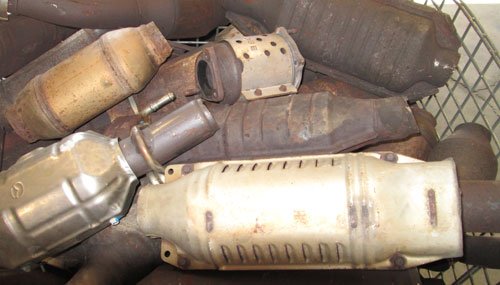
Anyone who has tried to sell a used catalytic converter knows how confusing pricing can feel. Two buyers may look at the same unit and offer very different numbers. For workshops, scrapyards, fleet operators, and even private sellers, that raises an obvious question: what actually determines value, and who can be trusted to price it fairly?
The answer often comes down to the refiner behind the process. Refiners play a central role in catalytic converter valuation because they ultimately recover the precious metals inside the unit, such as platinum, palladium, and rhodium. Their analytical methods, reporting standards, and purchasing relationships strongly influence whether sellers receive a vague estimate or a transparent, evidence-based offer.
That is why price transparency in this market is not just about checking a daily metal chart. It is about understanding the chain from identification and sampling to analysis, payout, and recycling outcomes. Companies like Metalaxis help bridge that gap by combining converter expertise, laboratory-backed evaluation, and practical service for sellers who want speed without sacrificing accuracy.
Why catalytic converter pricing often feels inconsistent
At first glance, pricing should be simple: if a catalytic converter contains valuable metals, it should have a measurable resale value. In practice, however, several variables affect the final figure.
- The exact converter model and manufacturer
- The amount of recoverable platinum group metals
- Current global market prices
- The quality of identification and analysis
- The efficiency and honesty of the buyer’s downstream refining network
This is where many sellers run into problems. Some buyers rely on broad estimates or incomplete databases. Others may quote quickly, but without explaining how the number was reached. That lack of visibility can lead to underpricing, especially when converters are rare, damaged, or part of mixed lots.
A transparent buyer should be able to explain not only what a converter is worth, but why. In other words, sellers deserve a clear catalytic converter price assessment (katalysaattori hinta) based on real data, not guesswork.
The refiner’s role in real price transparency
Refiners sit at the technical end of the value chain. They process catalytic material, recover precious metals, and determine what the material yield truly is. Because of that, the most reliable pricing models are built around strong refining knowledge and verifiable analysis.
1. Accurate metal-content analysis
The biggest influence refiners have is analytical accuracy. If the precious metal content is estimated incorrectly, the price will be too. Advanced testing methods and strong model databases help buyers identify converters more precisely and match them with expected recovery values.
This matters because two converters that look similar on the outside may contain very different amounts of platinum, palladium, and rhodium. Without proper analysis, sellers can be paid based on averages rather than actual value.
2. Better market intelligence
Refiners track metal markets closely because their profitability depends on it. Buyers connected to professional refining channels are typically better positioned to update offers in line with real market conditions. That creates more confidence for sellers who want to know whether today’s quote reflects today’s market.
3. More consistent valuation standards
One of the biggest frustrations in the recycling sector is inconsistency. A buyer with weak downstream processes may give different valuations for similar items from week to week. In contrast, a buyer supported by robust refining data can apply more standardized criteria, reducing uncertainty.
4. Greater accountability
Transparency improves when the buyer can demonstrate how items are classified and where value comes from. A company that works closely with reliable refiners and uses its own analytical capabilities is usually better equipped to justify its offer and stand behind it.
What sellers should look for before accepting an offer
If you want a fair deal, it helps to evaluate the buyer as carefully as the buyer evaluates your material. Here are a few practical signs of a trustworthy operation.
- A substantial converter database: Large historical pricing and identification databases improve accuracy, especially for uncommon units.
- Laboratory support: In-house or partner lab analysis adds credibility to pricing decisions.
- Clear communication: A professional buyer should explain the basis of the quote in understandable terms.
- Fast but traceable transactions: Speed matters, but it should not replace documentation and valuation logic.
- Responsible recycling practices: Environmental compliance and proper downstream handling are increasingly important for businesses and consumers alike.
Metalaxis stands out in this area because it combines practical purchasing service with deeper technical expertise. Its modern laboratory capabilities, broad converter knowledge, and cooperation with leading refineries help create the kind of pricing transparency sellers increasingly expect. That combination is especially useful for businesses handling larger volumes, where even small pricing errors can significantly affect revenue.
Why transparency matters beyond price alone
Fair pricing is the immediate concern, but transparency has broader benefits for the market as a whole.
First, it improves trust. When sellers understand how offers are formed, they are more likely to build long-term relationships instead of chasing one-off bids. Second, it supports compliance and sustainability. Proper recycling channels help ensure that valuable metals are recovered responsibly instead of being lost through informal or unsafe processing. Third, it creates better business planning. Repair shops, recyclers, and industrial sellers can forecast returns more accurately when valuation standards are consistent.
This is where structured catalytic converter recycling becomes important ( (katalysaattorikierrätys) ). It is not only about disposing of a used component; it is about recovering value through a transparent chain that respects both economics and the environment.
How data-driven buyers create a better selling experience
The best buyers do more than purchase scrap. They reduce uncertainty. For example, a company with a database covering tens of thousands of analyzed converters can often identify units faster and more accurately than a general scrap buyer. Add chemical analysis and strong refining partnerships, and the result is a more dependable pricing process.
That reliability can be especially valuable in Finland’s market, where sellers may include independent car dismantlers, metal recyclers, workshops, and private individuals. Each group needs slightly different support, but they all benefit from the same fundamentals: accurate identification, transparent valuation, fast payment, and responsible processing.
Metalaxis has built its offering around those fundamentals. Rather than treating catalytic converters as just another scrap category, it approaches them as specialized materials that require technical understanding. For sellers, that can mean fewer pricing surprises and more confidence that the offer reflects true recoverable value.
Practical steps to get a more transparent quote
If you are preparing to sell catalytic converters, these simple steps can improve the quality of the quote you receive:
- Separate converters by type and condition when possible.
- Record visible serial numbers or identifying marks.
- Work with a buyer that can explain how it evaluates units.
- Ask whether pricing is supported by laboratory analysis or a verified database.
- Choose a company that emphasizes both financial return and environmentally sound recycling.
Those steps do not just protect sellers; they also help create a healthier industry standard. As more businesses demand transparency, the market moves away from rough estimates and toward evidence-based valuation.
The bottom line
Refiners have a major influence on catalytic converter price transparency because they shape the data, recovery expectations, and valuation logic behind every serious offer. When buyers are closely connected to professional refining processes and analytical methods, sellers are far more likely to receive clear, defensible pricing.
For anyone looking to sell with more confidence, the smartest move is to work with a specialist that combines technical expertise, reliable analysis, and practical service. If you want a clearer understanding of what your converters are really worth and how responsible recycling can improve returns, Metalaxis is a strong place to start.