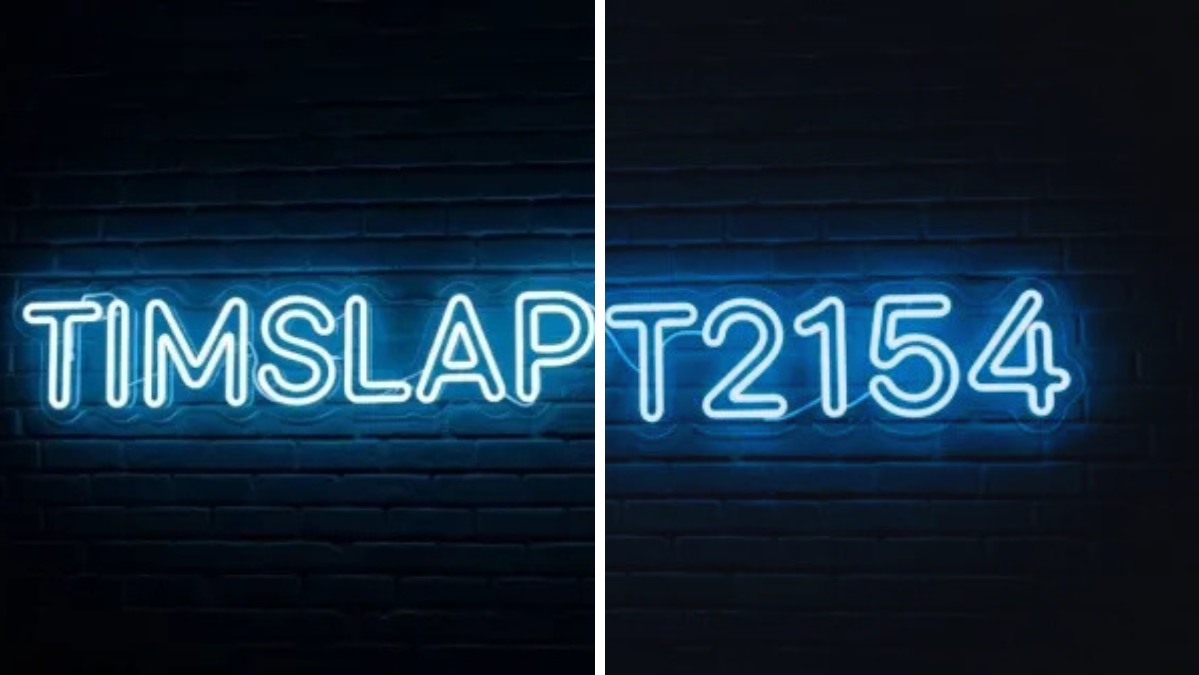
Timslapt2154 In a digital world overflowing with trends, identifiers, and evolving terminologies, certain keywords stand out not because they are instantly understood, but because they spark curiosity. Timslapt 2154 is one of those terms. At first glance, it may appear abstract or even random, yet its growing presence across conversations, projects, and niche discussions suggests there is more beneath the surface.
What makes timslapt2154 interesting is not just what it represents, but how it is being used. Whether referenced as a system identifier, a conceptual framework, or a symbolic label, timslapt2154 functions as a flexible marker—one that adapts to the environment in which it exists. This adaptability is part of why the term has started gaining attention among people who value customization, digital identity, and experimental structures.
This article breaks down timslapt2154 from multiple angles. Instead of forcing a rigid definition, we’ll explore its meaning through application, structure, and long-term relevance. The goal is clarity without oversimplification, keeping things casual while still grounded in expert-level reasoning.
The Origin and Structural Nature of Timslapt2154
The structure of the keyword timslapt2154 immediately signals intention. It combines a recognizable naming pattern with a numerical suffix, a format commonly seen in digital ecosystems. This kind of construction is often used to ensure uniqueness while still maintaining readability, making it practical for systems, platforms, or projects that require differentiation.
From a structural standpoint, timslapt 2154 follows a logic that aligns with modern naming conventions. The alphanumeric combination suggests scalability, meaning it can evolve or be replicated without losing identity. This is especially valuable in technical, creative, or collaborative environments where duplication can cause confusion or inefficiency.
Beyond structure, the origin of timslapt2154 is best understood as purpose-driven rather than accidental. Terms like this are often created to solve a specific need—whether that need is labeling, branding, or organizing information. Its design reflects intentional minimalism, allowing it to function across multiple contexts without being locked into one rigid meaning.
Practical Applications of Timslapt2154 in Digital Spaces
One of the strongest aspects of timslapt2154 is its versatility in practical use. In digital spaces, such identifiers are frequently employed as usernames, project codes, system tags, or internal references. The uniqueness of timslapt2154 ensures that it stands apart, reducing overlap and increasing recognizability.
In collaborative environments, timslapt2154 can act as a stable anchor. When teams work across different platforms or versions of a project, having a consistent identifier helps maintain continuity. It simplifies communication and reduces friction, especially when systems scale or evolve over time.
There is also a branding advantage to timslapt 2154. Its neutrality allows it to be shaped by context. Whether associated with a technical initiative, a creative experiment, or a personal digital identity, the term absorbs meaning from its usage. Over time, that usage defines its reputation, giving timslapt2154 a narrative rather than a fixed definition.
Why Timslapt2154 Stands Out from Generic Identifiers
Not all identifiers are created equal. Many are either overly generic or unnecessarily complex. Timslapt2154 strikes a balance between the two. It is distinct enough to avoid confusion, yet simple enough to be remembered and reused without friction.
Another factor that sets timslapt 2154 apart is its adaptability. Generic identifiers often fail when they are forced into new contexts. Timslap t2154, on the other hand, does not rely on descriptive language that could limit its scope. This makes it suitable for evolving systems where future use cases may not be fully defined yet.
From an expert perspective, this flexibility is not accidental—it is strategic. Designing identifiers like timslap t2154 reflects an understanding of long-term scalability. Instead of solving a temporary problem, it supports growth, iteration, and reinterpretation as needs change.
The Conceptual Value Behind Timslapt2154
Beyond practical usage, timslapt2154 also holds conceptual value. In many ways, it represents how modern systems prioritize function over form. Rather than being loaded with explicit meaning, the term allows users to project meaning onto it through interaction and experience.
This approach aligns with contemporary design philosophies. Minimalist identifiers reduce cognitive load, allowing people to focus on outcomes rather than semantics. Timslapt2154 becomes a container for purpose, shaped by action rather than definition.
There is also a subtle psychological benefit here. When users engage with something like timslapt2154, they are not constrained by preconceived notions. This openness encourages experimentation, creativity, and ownership—qualities that are increasingly valuable in digital and collaborative environments.
The Future Potential of Timslapt2154
Looking ahead, the future of timslapt 2154 is tied directly to how it continues to be used and interpreted. Keywords like this gain strength through consistency and relevance. As long as timslapt 2154 remains useful, adaptable, and distinct, it has the potential to grow in recognition and importance.
In evolving digital ecosystems, stable identifiers are critical. They act as reference points amid constant change. Timslapt2154 fits neatly into this role, offering both reliability and flexibility. This makes it suitable not only for current applications but also for future systems that have yet to be imagined.
Ultimately, timslapt2154 is a reminder that meaning is not always embedded—it is often built. Through thoughtful use and intentional application, a simple term can become a powerful tool. And in a world that values clarity, scalability, and adaptability, that kind of tool is always worth paying attention to.