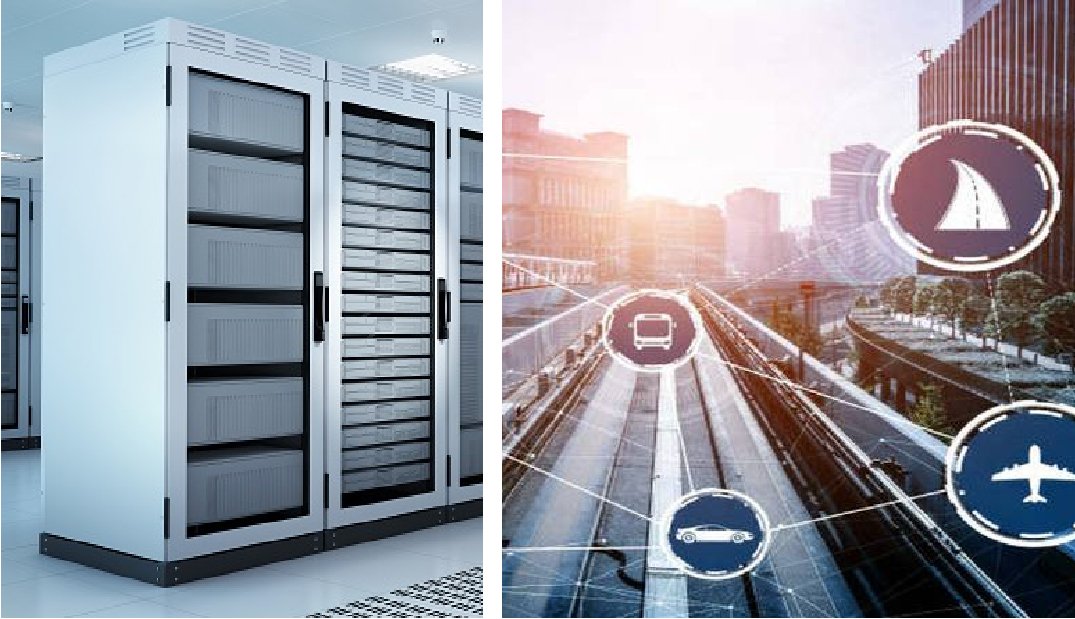
The NS Mainframe System plays a vital role in modern enterprise technology. Large organizations depend on it to manage huge amounts of data and support critical business operations. Banks, government agencies, healthcare networks, and global retailers rely on these systems every day. The reason is simple: the NS Mainframe System offers strong security, high reliability, and the ability to process millions of transactions quickly.
Understanding the NS Mainframe System
The NS Mainframe System is a high-performance computer designed for large-scale data processing. Unlike normal servers, it is built to handle extremely heavy workloads without slowing down. Many companies use this technology to run their most important applications.
An NS Mainframe usually works as the central computer in an enterprise environment. It connects with hundreds or even thousands of smaller systems. These systems depend on it to manage data, run programs, and control operations.
The Evolution of Mainframe Technology
Mainframe computing started in the 1950s when large companies needed computers for accounting and data processing. Early systems were huge machines that filled entire rooms. Over time, technology improved and systems became faster and more efficient.
Today, the NS Mainframe System represents the modern version of this technology. It combines advanced processors, secure data management, and powerful virtualization. Many companies still trust this technology because it has proven reliable for decades.
Why Enterprises Depend on the NS Mainframe System
Large organizations must process massive amounts of information every second. Customer records, financial transactions, inventory data, and logistics systems all require powerful computing platforms.
The NS Mainframe System helps companies manage these tasks in one secure environment. It can run thousands of programs at the same time without losing performance. This makes it ideal for mission-critical business operations.
Core Architecture of an NS Mainframe System
A typical NS Mainframe System contains several important components. Each part works together to create a powerful and stable computing environment.
The Central Processing Complex (CPC) is the main processor unit. It performs calculations and executes programs. Another important part is the Input/Output subsystem, which manages communication between storage devices and applications.
Explore More: Davyomwez: The Curious Digital Identity Capturing Internet Attention
Powerful Data Processing Capabilities
One major strength of the NS Mainframe System is its ability to handle massive transaction volumes. Financial institutions use it to process payments, transfers, and account updates in real time.
An NS Mainframe can process thousands or even millions of transactions per second. This level of performance ensures that businesses can operate smoothly even during peak demand.
Security Features of the NS Mainframe System
Data security is a major concern for modern organizations. Cyber threats continue to grow each year, and companies must protect sensitive information.
The NS Mainframe System includes built-in security features such as hardware encryption, access control, and secure authentication. These features help prevent unauthorized access and protect valuable data.
Reliability and System Availability
Reliability is another reason companies trust the NS Mainframe System. Many systems are designed to deliver 99.999% uptime, often called “five-nines availability.”
This level of reliability means businesses can operate almost without interruption. Even when hardware problems occur, backup components quickly take over to keep systems running.
Virtualization and Resource Management
Modern enterprises require flexible computing environments. Virtualization helps companies run multiple systems on a single machine.
The NS Mainframe System supports logical partitions (LPARs) that divide one computer into many virtual systems. Each partition can run different operating systems and applications independently.
Operating Systems in an NS Mainframe System
Mainframe systems use specialized operating systems designed for stability and high performance.
Common platforms include z/OS, Linux for mainframes, and enterprise virtualization systems. These operating systems help manage memory, control workloads, and maintain system security.
Programming Languages Used on Mainframes
Many enterprise applications are built using programming languages that work well with mainframe systems.
Popular languages include COBOL, Java, PL/I, and C++. These languages allow developers to create powerful programs that manage financial systems, logistics platforms, and large databases.
Industries That Use NS Mainframe Systems
Several industries depend heavily on mainframe technology. These sectors require systems that can handle large workloads and maintain high reliability.
Banks use the NS Mainframe System to manage accounts and process financial transactions. Governments use it for tax records, census data, and public service systems.
Retail companies also rely on these systems to manage inventory, sales data, and customer information across global markets.
Advantages of Using NS Mainframe Systems
Enterprises choose mainframes because they offer many important benefits.
The NS Mainframe System provides strong performance, high reliability, and powerful security. It can also support thousands of users at the same time without slowing down.
Another advantage is long-term stability. Many organizations run mainframe systems for decades while upgrading hardware and software gradually.
Challenges of Mainframe Technology
Although mainframes offer many advantages, they also present some challenges.
One issue is the high cost of hardware and maintenance. Another challenge is the shortage of skilled professionals who understand mainframe technology.
However, many companies continue to invest in mainframes because the benefits often outweigh the challenges.
Integration with Modern Technologies
Today’s businesses use many modern technologies such as cloud computing, big data analytics, and artificial intelligence.
The NS Mainframe System can integrate with these technologies through hybrid systems. Companies can connect their mainframe data with cloud platforms and modern applications.
This approach allows businesses to keep the reliability of mainframes while gaining the flexibility of cloud computing.
Future of the NS Mainframe System
Experts believe mainframes will remain important for many years. The demand for secure and reliable computing continues to grow.
Many organizations are modernizing their NS Mainframe environments by adding new tools, automation systems, and advanced analytics platforms.
Further: About Filkizmiz253: Understanding the Name, the Persona, and the Digital Identity
As businesses continue to manage large data volumes, the NS Mainframe System will remain a key part of enterprise computing infrastructure.
Conclusion
The NS Mainframe System continues to serve as the foundation of enterprise computing. Its ability to process large amounts of data, maintain strong security, and deliver constant reliability makes it essential for many industries.
Despite the growth of cloud technology, the NS Mainframe System remains a trusted platform for critical operations. Organizations that depend on secure and high-performance computing will continue to rely on this powerful technology.
Frequently Asked Questions (FAQs)
1. What is an NS Mainframe System?
An NS Mainframe System is a powerful enterprise computer designed to process large volumes of data and run critical business applications.
2. Why do companies still use mainframe systems?
Companies use them because they offer high reliability, strong security, and fast transaction processing.
3. Which industries use NS Mainframe technology?
Industries such as banking, healthcare, government, retail, and transportation commonly use mainframe systems.
4. What programming languages are used on mainframes?
Common languages include COBOL, Java, PL/I, and C++.
5. Can mainframes work with cloud systems?
Yes. Modern NS Mainframe Systems can integrate with cloud computing and hybrid IT environments.