The phrase “unbanned g+” has been popping up more and more across forums, tech discussions, and niche online communities. For some people, it sparks nostalgia. For others, it raises questions about digital access, platform moderation, and what it really means when a service or feature is “unbanned.” While the term might sound simple on the surface, there’s actually a lot going on behind it.
In this article, we’ll break down what unbanned g+ refers to, why people care about it, and how it fits into the bigger picture of online platforms and user control. Whether you’re a longtime internet user or someone just curious about the buzz, this guide will give you a clear, grounded understanding.
Let’s dive in.
Understanding the Meaning Behind “Unbanned G+”
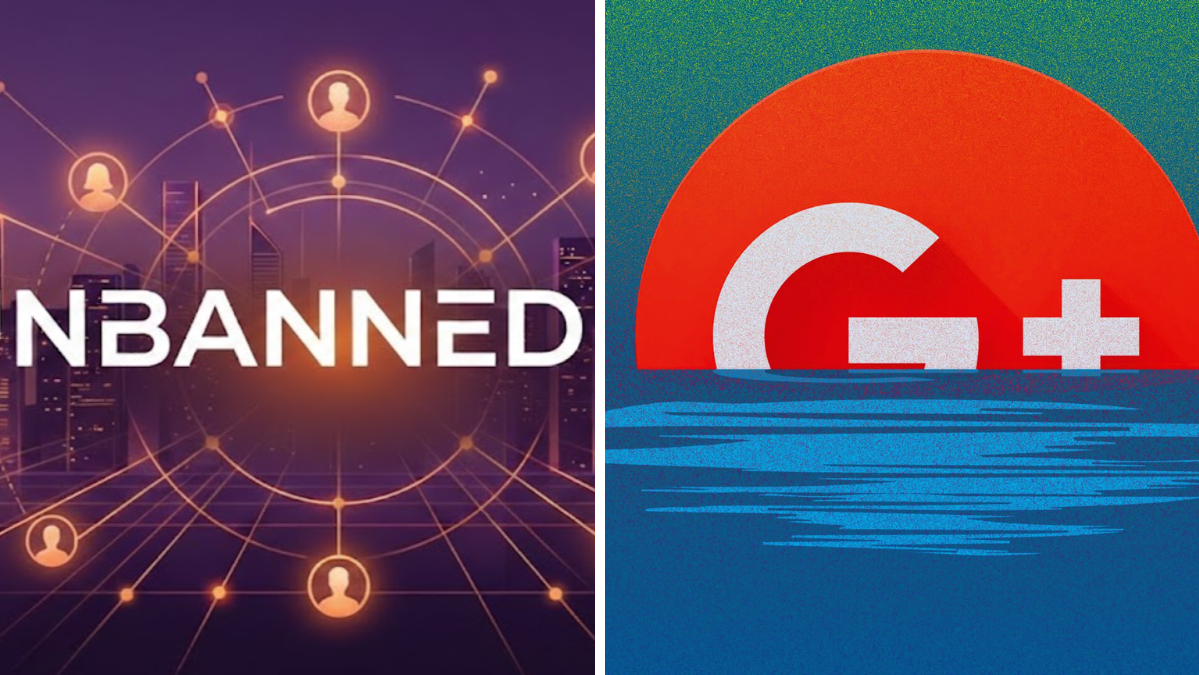
At its core, unbanned g+ refers to the restoration of access—either real or perceived—to a service, account, feature, or community associated with “G+.” While G+ originally pointed to Google Plus, the phrase has evolved online to represent more than just a discontinued social network. Today, it’s often used symbolically to describe regaining access to something that was once restricted or blocked.
In many discussions, unbanned g+ isn’t just about a platform coming back. It’s about users feeling reconnected to tools, communities, or content they previously lost. This could mean an account being reinstated, a feature becoming usable again, or a workaround that allows access where it was once denied. The phrase has become shorthand for digital second chances.
What’s interesting is how casually the term is used now. People say “unbanned g+” the same way they’d say a server is back online or a feature has been patched. That casual usage shows how normalized bans, restrictions, and reversals have become in modern digital life.
Why G+ Still Has Cultural Relevance Today
Even though Google Plus officially shut down years ago, its impact hasn’t fully disappeared. G+ was ahead of its time in some ways, especially in how it handled communities, topic-based discussions, and identity integration. When people talk about unbanned g+, they’re often referencing that lost potential rather than the platform itself.
Many former users remember G+ as a quieter, more thoughtful alternative to other social networks. It attracted photographers, developers, writers, and tech-savvy users who valued structure over noise. Because of that, the idea of anything “unbanned” related to G+ triggers curiosity and nostalgia.
From an expert perspective, this shows how digital platforms leave long shadows. Even after shutdowns or bans, the user experience lingers. The unbanned g+ conversation isn’t about reopening the past—it’s about reclaiming aspects of online interaction that users feel are missing today.
The Role of Bans, Unbans, and Platform Control
To understand why unbanned g+ resonates, you have to look at how modern platforms operate. Bans are now a routine part of online ecosystems. Accounts get suspended, features get region-locked, and entire services disappear with little warning. Users are expected to adapt quickly, often without explanation.
When something becomes “unbanned,” it feels like a win against that lack of control. Even if the unbanning is limited or unofficial, it gives users a sense of agency. In that sense, unbanned g+ represents more than access—it represents empowerment.
From a technical standpoint, unbanning can happen for many reasons: policy changes, technical updates, legal shifts, or user appeals. Experts understand that bans aren’t always permanent, and reversals are part of the lifecycle of digital systems. The popularity of the term reflects growing user awareness of this reality.
How Communities Are Responding to Unbanned G+
Online communities play a huge role in keeping the idea of unbanned g+ alive. Reddit threads, Discord servers, niche blogs, and comment sections are full of users sharing experiences, guides, and theories. Some talk about regained access, while others debate whether the “unbanned” status is official or temporary.
What stands out is how collaborative these discussions are. Users don’t just celebrate—they analyze. They compare timelines, test features, and document changes. This kind of grassroots investigation is something experts recognize as a hallmark of engaged digital communities.
The unbanned g+ conversation also highlights trust issues between users and platforms. People want transparency. When something appears to be unbanned without explanation, it raises as many questions as it answers. That tension keeps the topic alive and evolving.
What Unbanned G+ Signals for the Future of Online Platforms
Looking ahead, unbanned g+ can be seen as a signal rather than a destination. It reflects a growing pushback against opaque moderation systems and sudden platform decisions. Users are no longer passive; they expect dialogue, clarity, and options.
For industry experts, this trend suggests platforms will need to rethink how they communicate bans and reversals. Clearer policies, better appeal systems, and more user education could reduce confusion and frustration. The popularity of terms like unbanned g+ shows there’s demand for that change.
Ultimately, unbanned g+ isn’t just about what was restored—it’s about what users hope to see improved. Fair access, meaningful communities, and respect for user investment are all Final Thoughts
The keyword unbanned g+ might seem niche, but it carries a lot of weight in today’s digital conversations. It blends nostalgia, user rights, platform control, and community resilience into a single phrase. That’s why it keeps showing up—and why people keep paying attention.
Whether unbanned g+ is literal, symbolic, or somewhere in between, it reflects how deeply people care about their online spaces. And as platforms continue to evolve, these conversations will only become more important.
If nothing else, unbanned g+ reminds us that in the digital world, access matters—and users are paying closer attention than ever.