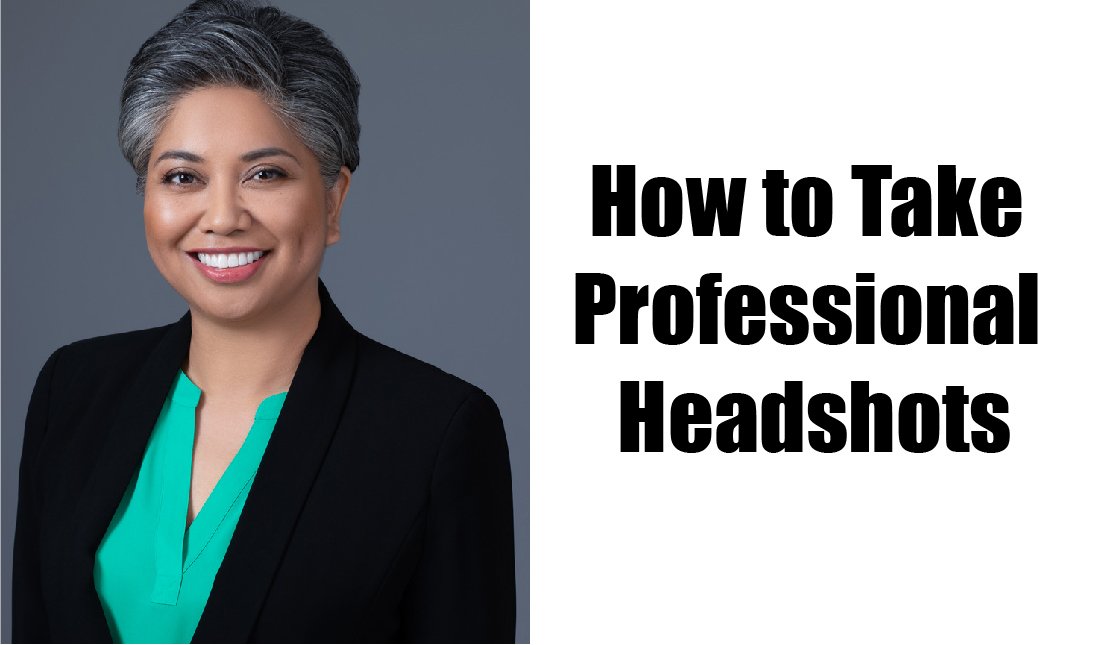
Learning How to Take Professional Headshots is important in today’s digital world. A headshot is often the first image people see on LinkedIn profiles, company websites, resumes, and portfolios. A good headshot shows confidence, trust, and professionalism. Many people think professional photos require an expensive studio, but this is not always true. With the right lighting, camera setup, and simple techniques, anyone can create high-quality Professional Headshots at home or in a small office.
Quick Information Table
| Topic | Details |
| Article Topic | How to Take Professional Headshots |
| Photo Type | Professional Headshots |
| Main Purpose | Personal branding and professional profiles |
| Common Use | LinkedIn, company websites, resumes, portfolios |
| Recommended Camera | DSLR, mirrorless, or smartphone |
| Best Lighting | Natural window light or soft studio light |
| Ideal Background | Simple and neutral colors |
| Photo Frame | Head, shoulders, and upper chest |
| Camera Position | Eye level or slightly above |
| Clothing Style | Solid colors and professional outfits |
| Editing Tools | Lightroom, Photoshop, mobile apps |
| Update Frequency | Every 1–2 years |
What Are Professional Headshots?
Before learning How to Take Professional Headshots, it is important to understand what they are. Professional Headshots are portrait photos that focus mainly on a person’s face, shoulders, and upper chest. The goal is to present a clean and professional image.
These photos are widely used in professional environments. Many companies require employees to upload headshots to company websites or professional networking platforms.
A well-taken headshot shows confidence, professionalism, and approachability. It also helps build trust when people view your online profile.
Why Professional Headshots Matter
Understanding How to Take Professional Headshots helps people improve their professional image online. In many industries, a strong profile photo can influence how others see your skills and personality.
For example, LinkedIn research shows that profiles with professional photos receive more views and connection requests. This means a good headshot can improve networking opportunities.
Good Professional Headshots also help people stand out in competitive industries such as business, marketing, acting, consulting, and freelancing.
Essential Equipment for Headshots
When learning How to Take Professional Headshots, you do not need very expensive equipment. Many beginners create great photos using simple tools.
Basic equipment includes:
- Camera or smartphone
- Tripod or phone stand
- Soft lighting source
- Clean background
Modern smartphones with portrait mode can produce excellent headshots. However, DSLR or mirrorless cameras provide more control over focus and lighting.
A tripod is helpful because it keeps the camera steady and prevents blurry photos.
Explore More Stories: On Rarefiedtech.com Fintech: Exploring the Future of Digital Finance
Choosing the Right Background
One important step in How to Take Professional Headshots is choosing a simple background.
A good background should be:
- Clean
- Neutral in color
- Free from distractions
Common backgrounds include white walls, grey walls, office spaces, or simple curtains.
Avoid busy backgrounds with many objects because they distract attention from the face. The goal of Professional Headshots is to focus on the subject, not the surroundings.
Lighting: The Most Important Element
Lighting is the most important factor when learning How to Take Professional Headshots. Good lighting improves skin tone and reduces harsh shadows.
The best option for beginners is natural window light. Stand facing a window so soft light falls evenly on the face.
Avoid strong sunlight because it creates dark shadows and bright highlights.
Professional photographers often use three-point lighting, which includes:
- Key light – main light source
- Fill light – reduces shadows
- Back light – separates subject from background
This setup creates balanced and professional Professional Headshots.
Camera Position and Framing
Another key part of How to Take Professional Headshots is camera positioning.
The camera should be placed at eye level or slightly above the subject. This angle looks natural and flattering.
The typical frame for Professional Headshots includes:
- Head
- Shoulders
- Upper chest
The eyes should appear near the top third of the frame. This composition helps create balanced photos.
Keep the camera about 3–5 feet away from the subject to avoid distortion.
Choosing the Right Clothing
Clothing plays an important role in Professional Headshots. The right outfit helps communicate professionalism.
Recommended clothing includes:
- Solid colors
- Neutral tones
- Professional business attire
Colors like navy blue, black, grey, and white usually photograph well.
Avoid:
- Busy patterns
- Bright prints
- Large logos
These elements distract attention from the face.
Posing Tips for Headshots
Many beginners feel uncomfortable when posing for photos. However, good posing is an important part of How to Take Professional Headshots.
Basic posing tips include:
- Turn the body slightly sideways
- Relax the shoulders
- Lean slightly forward
- Lower the chin slightly
This position makes the subject appear confident and natural.
Eye contact with the camera is also important because it helps create a connection with the viewer.
Facial Expressions and Confidence
A natural expression makes Professional Headshots more powerful. Forced smiles can look unnatural.
Professional photographers often encourage subjects to relax and think about something positive.
Tips for natural expressions include:
- Take a deep breath
- Relax facial muscles
- Smile gently
- Take multiple photos
Taking many photos helps capture genuine expressions.
Taking Multiple Shots
When learning How to Take Professional Headshots, it is important to take many photos.
Professional photographers usually capture 20–50 images in one session. Small changes in expression or posture can make a big difference.
Reviewing several photos helps you choose the best image later.
This process increases the chances of creating high-quality Professional Headshots.
Editing and Retouching
Editing is the final step in How to Take Professional Headshots. However, editing should be subtle.
Basic adjustments include:
- Brightness
- Contrast
- Color balance
- Cropping
Editing software such as Adobe Lightroom, Photoshop, and mobile editing apps can improve image quality.
Remove small blemishes if needed, but avoid heavy filters. Natural-looking Professional Headshots are always better than overly edited photos.
Common Mistakes to Avoid
Many beginners make mistakes while learning How to Take Professional Headshots.
Common mistakes include:
- Poor lighting
- Busy backgrounds
- Bad camera angles
- Forced facial expressions
- Blurry photos
Avoiding these mistakes will significantly improve your results.
Good preparation and practice help create strong Professional Headshots.
Taking Headshots with a Smartphone
Smartphones are now powerful tools for photography. Many people practice How to Take Professional Headshots using their phones.
Tips for smartphone headshots include:
- Use portrait mode
- Place the phone on a tripod
- Use natural window light
- Set a timer or remote shutter
These simple techniques allow anyone to produce professional-looking Professional Headshots without expensive equipment.
Explore Further: Insights LogicalShout: Understanding Smart Digital Strategies
Updating Your Headshots
Professional experts recommend updating headshots every 1–2 years.
You should also update your headshot if:
- Your hairstyle changes
- You grow or remove facial hair
- Your appearance changes significantly
Keeping your photo current helps maintain a professional online presence.
Future Trends in Headshot Photography
Technology continues to change the way people create Professional Headshots. Many online tools now use artificial intelligence to generate professional images from simple photos.
These tools can adjust lighting, backgrounds, and facial details automatically.
However, even with advanced technology, the basic principles of How to Take Professional Headshots remain the same: good lighting, simple backgrounds, and natural expressions.
Conclusion
Understanding How to Take Professional Headshots can greatly improve your professional image online. A strong headshot helps create trust and makes your profile more attractive to employers, clients, and business partners.
By using proper lighting, simple backgrounds, correct camera angles, and natural expressions, anyone can create high-quality Professional Headshots.
With practice and attention to detail, beginners can produce photos that look professional without expensive equipment or studio sessions.
Frequently Asked Questions (FAQs)
1. What is a professional headshot?
A professional headshot is a portrait photo that focuses on the face and shoulders for professional profiles.
2. Can I take professional headshots with a phone?
Yes, modern smartphones with good lighting and portrait mode can create strong Professional Headshots.
3. What is the best background for headshots?
Simple backgrounds such as white, grey, or neutral walls work best.
4. What should I wear for a headshot?
Wear solid colors and professional clothing without busy patterns.
5. How often should headshots be updated?
Experts recommend updating Professional Headshots every 1–2 years.