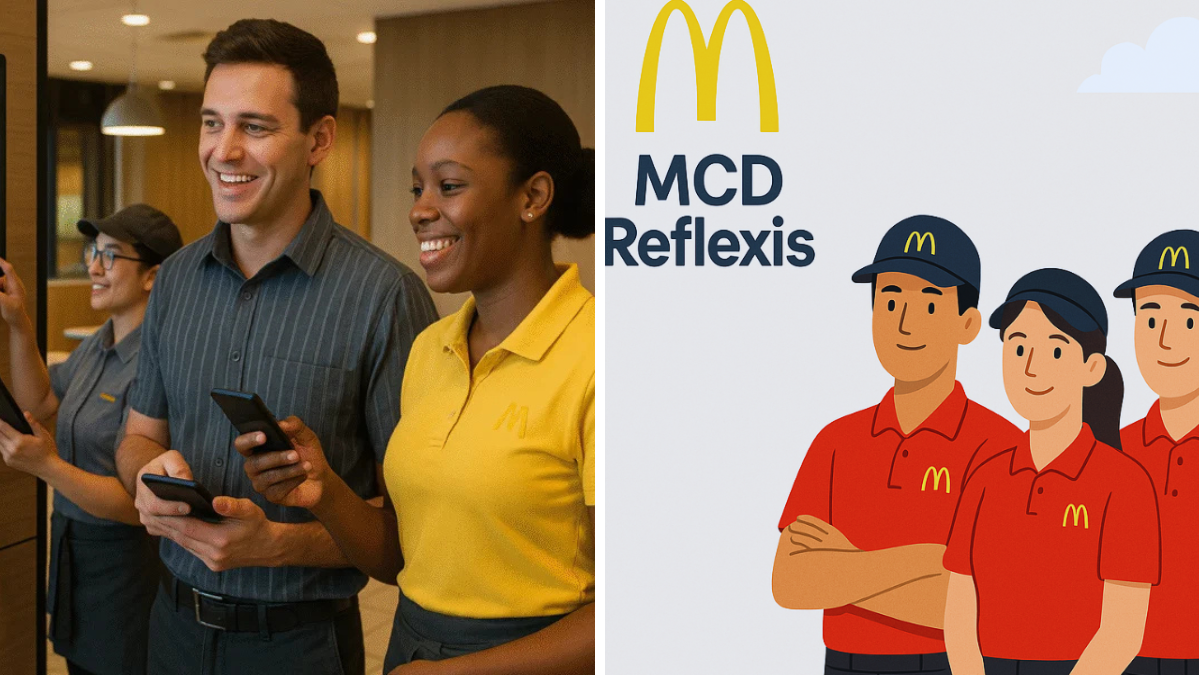
When you think about McDonald’s, you probably picture burgers, fries, and lightning-fast service. What you might not see is the powerful technology working behind the scenes to make that speed and consistency possible. One of the key systems supporting operations in many McDonald’s locations is McD Reflexis.
McD Reflexis isn’t just another scheduling tool. It’s a workforce management platform designed to streamline operations, improve employee communication, and help managers run smoother shifts. In an industry where timing is everything, having the right people in the right place at the right time can make or break performance.
In this article, we’ll take a deep dive into what McD Reflexis is, how it works, and why it plays such a crucial role in modern McDonald’s operations.
What Is McD Reflexis?
McD Reflexis refers to the workforce management system used by many McDonald’s franchises and corporate locations. Reflexis Systems, a retail and restaurant workforce solutions provider, developed software that helps large organizations manage scheduling, labor compliance, task management, and employee communication more effectively.
At its core, McD Reflexis is designed to simplify complex operations. Running a McDonald’s location involves coordinating dozens of employees across multiple shifts, managing labor costs, and ensuring compliance with labor laws. Doing all of that manually would be inefficient and prone to errors. Reflexis automates many of these tasks while giving managers greater visibility and control.
Another important aspect of McD Reflexis is accessibility. Many employees and managers access the system through mobile apps or web portals. This allows crew members to check their schedules, request time off, swap shifts (where permitted), and stay updated on announcements without needing to call the store directly. In a fast-paced environment, that level of convenience matters.
How McD Reflexis Improves Scheduling Efficiency
Scheduling is one of the most challenging parts of managing a quick-service restaurant. Demand fluctuates throughout the day, and customer traffic can vary depending on promotions, weather, holidays, and local events. McD Reflexis helps managers make data-driven scheduling decisions rather than relying solely on guesswork.
The system analyzes historical sales data, traffic patterns, and labor forecasts to recommend optimal staffing levels. This means managers can schedule enough crew members to handle peak hours without overspending on labor during slower periods. It strikes a balance between customer service quality and cost efficiency.
Additionally, McD Reflexis reduces last-minute scheduling chaos. Employees can view schedules in advance, receive notifications about updates, and request changes through the platform. Instead of juggling paper schedules or endless text messages, managers have everything centralized in one digital system. That level of organization translates directly into smoother operations on the floor.
Enhancing Employee Communication and Engagement
In large restaurant teams, communication gaps can easily occur. Misunderstandings about shift times, policy updates, or daily tasks can lead to confusion and inefficiencies. McD Reflexis helps bridge those gaps by creating a structured communication channel within the workforce management system.
Managers can send announcements, assign tasks, and share important updates directly through the platform. Employees receive these notifications in real time, reducing the risk of missing critical information. This is especially useful during promotional campaigns or operational changes that require quick team alignment.
Beyond communication, the system also contributes to employee engagement. When team members can easily access their schedules, manage availability, and communicate digitally, it fosters a sense of control and transparency. That may seem like a small detail, but in industries with high turnover rates, improving the employee experience can make a noticeable difference.
Supporting Compliance and Labor Law Requirements
Labor compliance is not optional. Restaurants must adhere to strict local, state, and federal regulations regarding overtime, break periods, minor work restrictions, and maximum shift lengths. Keeping track of these requirements manually can be overwhelming, particularly for multi-unit operators.
McD Reflexis includes compliance safeguards that help managers avoid scheduling violations. The system can flag potential issues, such as exceeding allowed hours or scheduling minors outside permitted timeframes. This proactive approach reduces legal risk and protects both employees and the organization.
Furthermore, accurate time tracking and digital record-keeping simplify audits and reporting. Instead of digging through paper records, managers can generate reports directly from the system. This not only saves time but also enhances accountability and transparency across the organization.
Streamlining Task Management and Daily Operations
Beyond scheduling, McD Reflexis often integrates task management features that help keep daily operations organized. Running a McDonald’s involves more than just serving food. There are cleaning schedules, food safety checks, equipment maintenance tasks, and promotional setups that must be executed consistently.
With task management tools, managers can assign responsibilities to specific team members and track completion. This ensures accountability and reduces the likelihood of important duties being overlooked during busy shifts. For example, food safety checklists can be logged digitally, providing a reliable record of compliance.
The ability to standardize tasks across multiple locations is another advantage. Corporate guidelines can be communicated and implemented consistently, which helps maintain brand standards. In a global franchise like McDonald’s, consistency is essential for protecting the brand’s reputation.
Benefits for Franchise Owners and Corporate Leaders
From a leadership perspective, McD Reflexis offers valuable insights through analytics and reporting. Franchise owners can monitor labor costs, productivity metrics, and scheduling efficiency across one or multiple locations. Having access to this data allows them to make informed strategic decisions.
Cost control is a major concern in the restaurant industry. Labor is often one of the largest expenses. By using predictive scheduling and real-time tracking, owners can align labor hours more closely with revenue patterns. This improves profitability without compromising service quality.
Corporate leaders also benefit from greater visibility. Standardized systems across locations make it easier to implement company-wide initiatives and measure performance. In a large-scale operation like McDonald’s, having centralized oversight while maintaining local flexibility is a significant competitive advantage.
The Role of Technology in Modern Quick-Service Restaurants
McD Reflexis is part of a broader digital transformation happening across the quick-service restaurant industry. Technology is no longer a luxury; it is a necessity. From self-order kiosks to mobile apps and delivery integrations, restaurants rely heavily on digital systems to remain competitive.
Workforce management is a critical component of that transformation. Efficient staffing directly impacts customer experience. If a restaurant is understaffed, wait times increase. If it is overstaffed, profit margins shrink. McD Reflexis helps strike the right balance by aligning labor with real-time business needs.
Looking ahead, workforce technology will likely become even more advanced. Predictive analytics, artificial intelligence, and deeper integrations with point-of-sale systems could further refine scheduling accuracy and operational efficiency. McD Reflexis represents a strong step in that direction, showing how technology can empower both employees and management.
Final Thoughts on McD Reflexis
McD Reflexis may not be visible to customers ordering a Big Mac, but it plays a crucial role behind the scenes. By improving scheduling accuracy, enhancing communication, supporting compliance, and streamlining daily tasks, it helps McDonald’s locations operate more efficiently and effectively.
For managers, it reduces administrative burdens and offers better control over labor costs. For employees, it provides transparency, flexibility, and improved communication. For franchise owners and corporate leaders, it delivers data-driven insights that support smarter business decisions.
In a fast-paced, high-volume environment like McDonald’s, operational precision matters. McD Reflexis is one of the technological tools that helps make that precision possible. And as the restaurant industry continues to evolve, systems like this will remain essential to staying competitive, efficient, and customer-focused.